You must be logged in to watch videos

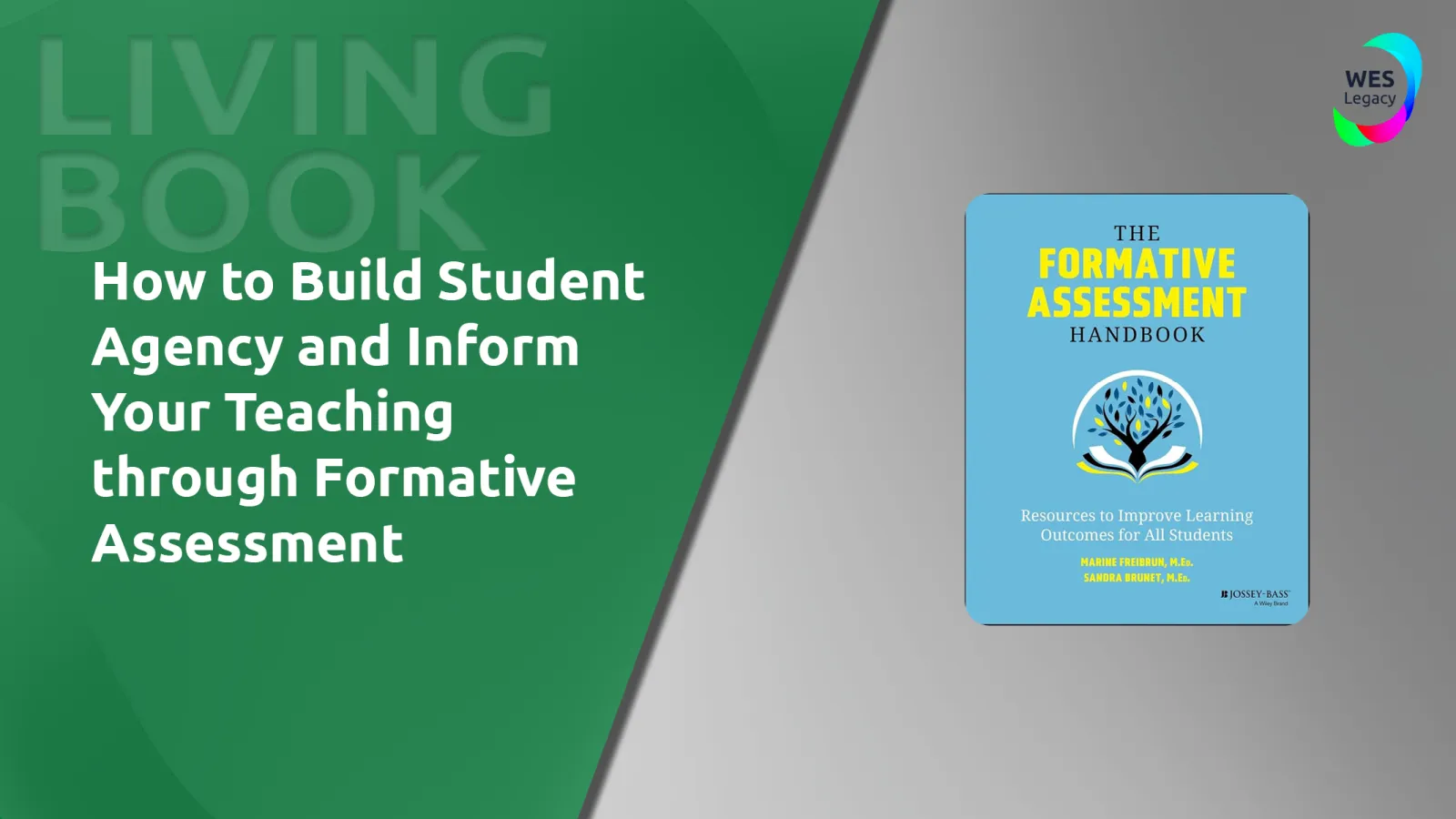
How to Build Student Agency and Inform Your Teaching through Formative Assessment
Marine Freibrun and Sandy Brunet
Curriculum & Assessment
Feedback
Formative Assessment
Student Agency
Teaching Strategies
Living Books
WES 2024
Living Books
Step inside the minds shaping education! Featuring intimate conversations with authors behind impactful reads. Explore groundbreaking ideas, inspirations, and visions driving their work — redefining the future of learning, straight from the source.
View the Playlist
198 Sessions
Up Next
Formative assessment plays a crucial role in boosting student agency and teaching effectiveness. It involves providing immediate feedback and making instructional adjustments based on student needs. This approach leads to significant improvements in student achievement and equity. Clear expectations and frequent feedback enhance performance, while fostering student engagement and ownership of learning. The feedback loop between teachers and students is essential for refining teaching practices.Research about the importance of formative assessment, including effect size and student self-assessment. The importance of formative assessment to drive instruction, be intentional about planning, and create student engagement. Easy, ready-to-go strategies and ideas to implement formative assessment with intention and seamlessly.
No Resources found for this Session

Marine Freibrun
Marine, a dedicated educator, is deeply committed to the growth of students and fellow educators. Her journey includes impactful roles, such as the English Language Arts and Literacy Assessment Coordinator at the Idaho State Department of Education and her tenure at Collaborative Classroom. Collaborating closely with teachers and district leaders, she worked on meaningful initiatives. Marine, an author of works like "Getting Started with Teacher Clarity" and "Leading with Administrator Clarity," showcases her deep understanding of effective educational practices and leadership. Holding a bachelor's in Elementary Education and a master's in Educational Leadership, she continues to inspire positive change within the education sector, nurturing learning and excellence.

Sandy Brunet
Sandy Brunet is a seasoned school administrator with over 15 years experience leading schools in California, Hawaii and Florida. Her educational leadership experiences include leadership roles in traditional public brick and mortar schools, virtual charter schools, and hybrid blended learning schools. She has led schools that serve students in grades TK-12, and range in size from 800 students to over 3,000 students. Sandy has distinguished herself as an innovative educational leader for over 15 years by following her passion for putting students first. She has been recognized for her collaborative efforts to transform school culture by building positive relationships and increasing school achievement. Sandy holds a Masters in Educational Administration and a BA in Communication Studies from UCLA. When she isn’t knee deep in school leadership she enjoys spending time with her husband, Brain, and her two sons, Caden and JT in their North Florida community.

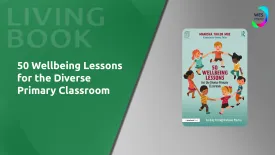
50 Wellbeing Lessons for the Diverse Primary Classroom
Manisha Tailor
3
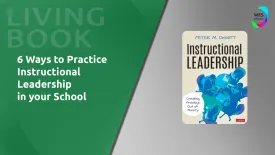
6 Ways to Practice Instructional Leadership in your School
Peter DeWitt
4
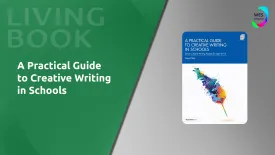
A Practical Guide to Creative Writing in Schools
Fiona Clark
5
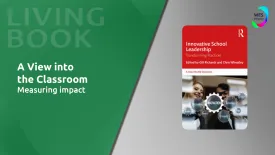



Becoming a Successful International Teacher
Jess Gosling
13
Becoming a Totally Inclusive School
Angeline Aow and Sadie Hollins
14
Better Questioning for Better Learning
Benjamin Stewart Johnson
18

Collective Student Efficacy in Practice
Douglas Fisher, John Hattie, Nancy Frey and Shirley Clarke
27



Creating a Strong Culture and a Positive Climate in Schools
Nick Hart
32
Creating Authentic Relationships with Parents
Carla Solvason
33

Creativity and Wellbeing in Early Years
Sonia Mainstone-Cotton
35
Cultivating Resilience in Early Childhood
Louise Jackson
37


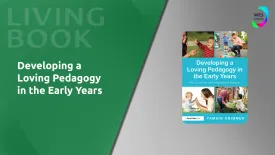
Developing a Loving Pedagogy in the Early Years
Tamsin Grimmer
44
Developing Children's Skills and Love of Creative Writing
Paul Delaney
45
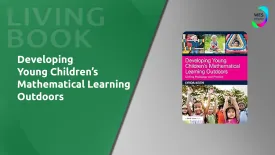
Developing Young Children's Mathematical Learning Outdoors
Lynda Keith
46

Educating with Passion and Purpose
Meredith Matson and Rebekah Shoaf
48
Effective Strategies to Support Children's Behaviour and Emotional Wellbeing
Cath Hunter
50

Enlivening Instruction with Drama and Improv
Kathleen Rose McGovern and Melisa Cahnmann-Taylor
52
Enriching Vocabulary in Secondary Schools
Hilary Lowe and Victoria Joffe
53
Expert Mentoring to Make your Mentee Thrive
Haili Hughes
56
Facilitating Conversation about Race in the Classroom
Danielle Stewart and Martha Caldwell
57


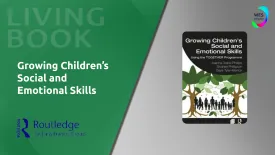
Growing Children's Social and Emotional Skills
Gaye Tyler-Merrick and Joanna Phillips
65
Helping Children Cope with Loss and Change
Amanda Seyderhelm
70
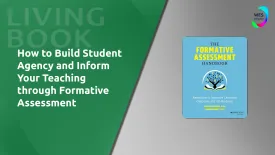
How to Build Student Agency and Inform Your Teaching through Formative Assessment
Marine Freibrun and Sandy Brunet
75


Implementing Systematic Interventions
Hank Bohanon, Kelly Morrissey and Lisa Caputo Love
80
Inclusive Education at the Crossroads
Garry Hornby and Philippa Gordon-Gould
81
Introducing the Sustained Shared Thinking and Emotional Wellbeing Scale
Denise Kingston and Iram Siraj
84
Language for Behaviour and Emotions
Anna Branagan, Melanie Cross and Stephen Parsons
86

Leading Mindfully for a Healthy and Successful School
Aurora Reid
91
Mathematical Mastery in Young Children's Play
Di Chilvers
96

Neurodiversity and Education
Abby Osborne, Karen Angus-Cole and Paul Ellis
108

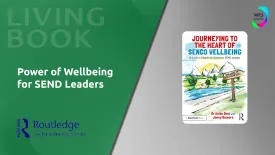
Power of Wellbeing for SEND Leaders
Anita Devi and Jenny Bowers
118
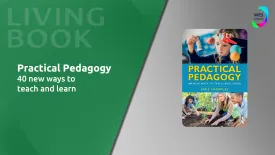
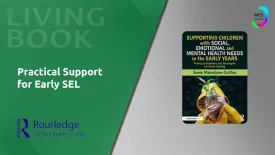
Promoting Physical Development and Activity in Early Childhood
Jackie Musgrave
124

Relationships and Sex Education for Special Learners
Paul Bray
128
Safe, Seen, and Stretched in the Classroom
Julie Schmidt Hasson
130


Sharing Your Education Expertise with the World
Jenny Grant Rankin
137


The Essential Guide to Teaching New Apprenticeships
Steve Ingle
148

Teaching Women's and Gender Studies
Jill Clingan and Kathryn Fishman-Weaver
149

The 4 Pillars of Parental Engagement
Justin Robbins and Karen Dempster
157

The Future of Teaching, and the Myths That Hold it Back
Guy Claxton
159



The Media-Savvy Middle School Classroom
Susan Brooks-Young
166
The Mental Health and Wellbeing of Children and Young People with Learning Difficulties
Kirstie Rees
167




The Teaching and Learning Playbook
Ben Karlin and Michael Feely
178
Understanding Anxiety and Implementing Self-Calming
Liz Bates
184
Virtual Reality for Students with Learning Differences
Ange Anderson
187
Vocabulary Teaching with Word Aware
Anna Branagan and Stephen Parsons
190

When We Thrive, Our World Thrives
Connie K Chung and Vishal Talreja