
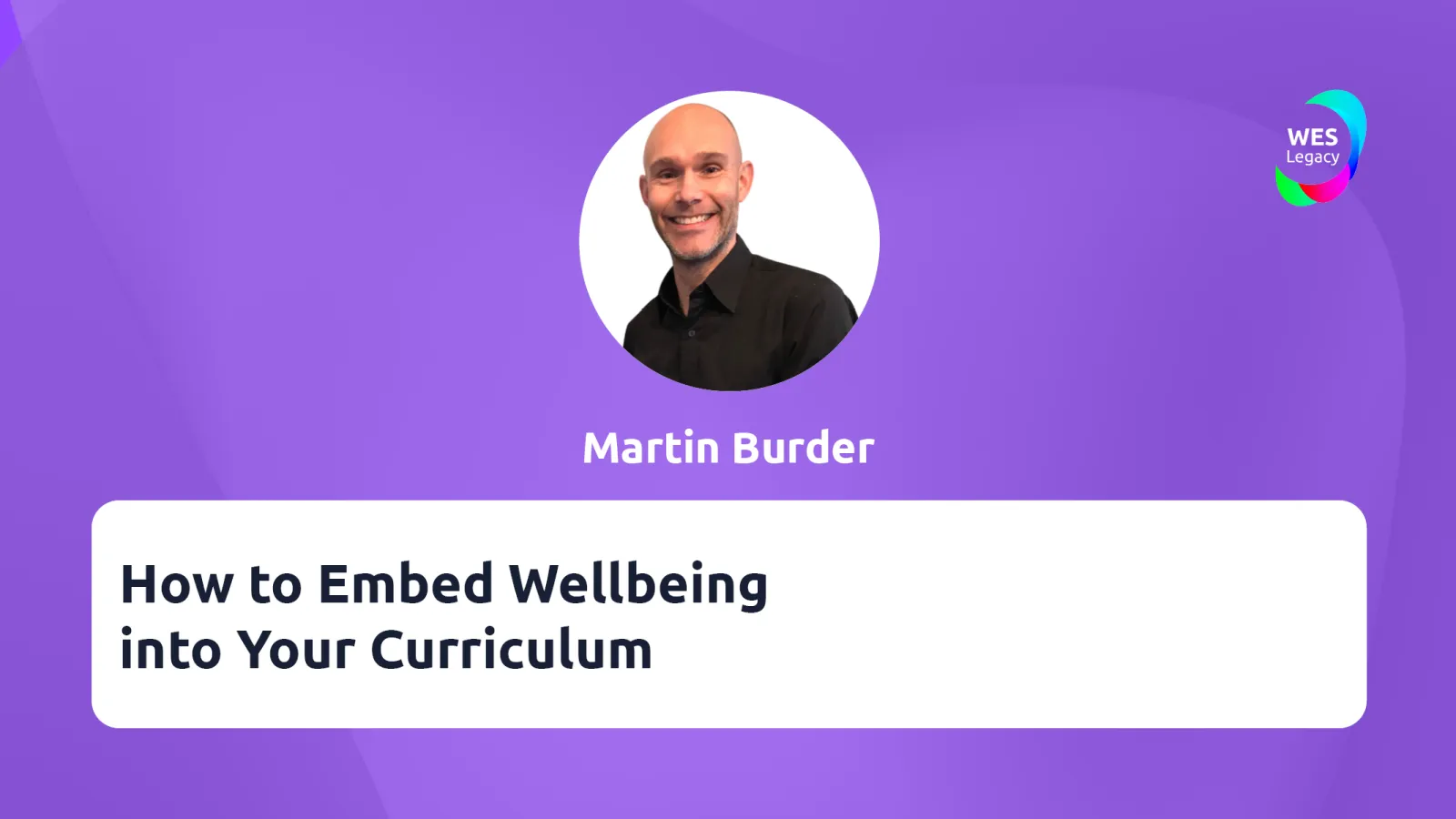
How to Embed Wellbeing into Your Curriculum
Martin Burder
Up Next
Nurturing Kindness in the Early Years Classroom
Stuart Stotts
Training courses can lead to significant changes in thinking and life. Psychology identifies six essential needs for happiness, highlighting the role of social connections. Resilience is important, but not a guarantee of a positive life. Parents want their children to be happy, while experiences shape individuals. The brain can change through learning, and positive reinforcement can boost engagement. First impressions matter, and educators can inspire and transform students' lives.A simple communication strategy to build relationships between teachers, students and parents How to build overall positivity as an educator Building well being in schools takes time but longer term strategy and consistency is the key
No Resources found for this Session

Martin Burder
Blending hard-hitting truths with hilarious anecdotes, Martin motivates audiences with an inspiring sense of their own capacity for achievement and change. Martin has spent the last few years developing a wellbeing curriculum for schools and businesses. That means he’s an expert in embedding wellbeing into workplaces. Out of work, Martin can be found cycling around the world, playing music or completing ironman races. These adventures have shaped his ideas on transformation.
Nurturing Kindness in the Early Years Classroom
Stuart Stotts

Social Emotional Learnings and Resililience
Dominique Smith

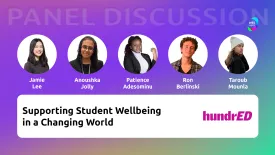
Supporting Student Wellbeing in a Changing World
Anoushka Jolly, Jamie Lee, Patience Adesominu, Ron Berlinski and Taroub Mounla

Wales and the Atlantic Rim Collaboratory (ARC)
Arnór Gudmundsson, Kevin Palmer and Steve Munby
No Playlists found for this Session

Ellis-leigh Gray
A really helpful talk on how we can embed wellbeing into the curriculum in a way that feels natural and not just an extra add-on. A great reminder of how important it is to build wellbeing into everyday school life, and how small, consistent strategies can make a big difference. It made me reflect on how we can support children’s emotional wellbeing in simple ways that also help build their confidence and resilience over time.