Instructional Alternatives to Exclusionary Discipline
Rikki K. Wheatley and Saki Malose
Up Next
Exclusionary discipline practices, such as detentions and suspensions, transform our educational environments from places of support to places of harm. And that harm is disproportionately dispensed to our BIPOC students, students with disabilities, students living in poverty, and students struggling academically. Children thrive in learning environments that are affirming of their identities, supportive of their needs, inclusive of all learners, welcoming, and safe. These are not just touching sentiments; these are science proven facts. With a grant from the Institute of Education Sciences, Rhonda Nese, PhD, and her team are helping middle schools replace harmful exclusionary discipline practices with instructional and restorative alternatives to improve educator practices, student social and behavioral problem-solving, and student-teacher relationships. The Inclusive Skill-building Learning Approach, or ISLA, is a school-wide, universal model designed to strengthen positive relationships between educators and students, reduce the use of exclusionary discipline practices, and support all students to build beneficial social skills, make amends, and move on. Committing to this process means educators spend more time teaching and students develop the important skills they need to be successful in the classroom. Findings on the impact of ISLA have shown improvements in classroom engagement and school safety, and reductions in the use of exclusionary discipline practices. Schools utilizing ISLA also note improvements in student-teacher relationships and school satisfaction. ISLA provides a pathway for educational communities to prioritize human connections in their reexamination of how we support all learners in their efforts to thrive.Understand the harmful impacts of exclusionary discipline practices Learn about instructional supports to provide to students when sent out of class, with an emphasis on classroom reentry Reflect on application of discipline policies in a fair and equitable manner
No Resources found for this Session
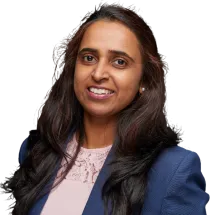
Saki Malose
Saki Malose has worked extensively with public schools, Pre-K facilities, and various government departments in India to strengthen professional development. Her core experience is in program design, training and coaching, and capacity building. She brings a rich educational experience and exposure to various education systems around the globe - from developing as well as developed contexts. Saki holds a Masters's in Education from Harvard University, USA. A 2013 Teach For India Corps member, she also holds a bachelor's in engineering and a master's in business administration from Pune University, India. She grew up in a beautiful village in Maharashtra, India and attended the local Marathi instructional medium school at the foothills of Sahyadris. Creativity is her relaxation and she enjoys a variety of creative activities-cooking, painting & embroidery to name a few.

Rikki K. Wheatley
Rikki Wheatley was born and raised in Northern Utah. She completed a Bachelor’s Degree in Psychology and a Master’s Degree in Special Education with an emphasis on serving students with severe disabilities and behavior disorders. She is currently enrolled in the Special Education Ph.D. program at the University of Oregon where she is specialising in educational equity, social justice, LGBTQ+ supports, and suicide prevention. She is a strong advocate for educational equity, especially for students with intersecting identities as bilingual, racially diverse, and having disabilities. Rikki spent 15 years at Utah State University’s Center for Persons with Disabilities as a Program Director designing professional development, implementing interventions, consulting with schools, and coaching teachers in behavior management and effective learning for students with disabilities.
Language for Behaviour and Emotions
Anna Branagan, Melanie Cross and Stephen Parsons

Getting Learning Culture Right
Alice Jones Bartoli and Gavin Hepherd-Hall

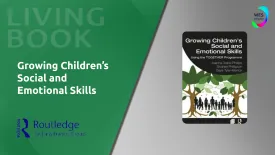
Growing Children's Social and Emotional Skills
Gaye Tyler-Merrick and Joanna Phillips