Home >> All Sessions >> Movement Environment Rating Scale
Movement Environment Rating Scale

Movement Environment Rating Scale

Carol Archer

Up Next

Schools as Enabling Spaces to Improve Learning and Health Outcomes in Rural South Africa

Schools as Enabling Spaces to Improve Learning and Health Outcomes in Rural South Africa

Liesel Ebersöhn and Qing Gu

Schools as Enabling Spaces to Improve Learning and Health Outcomes in Rural South Africa

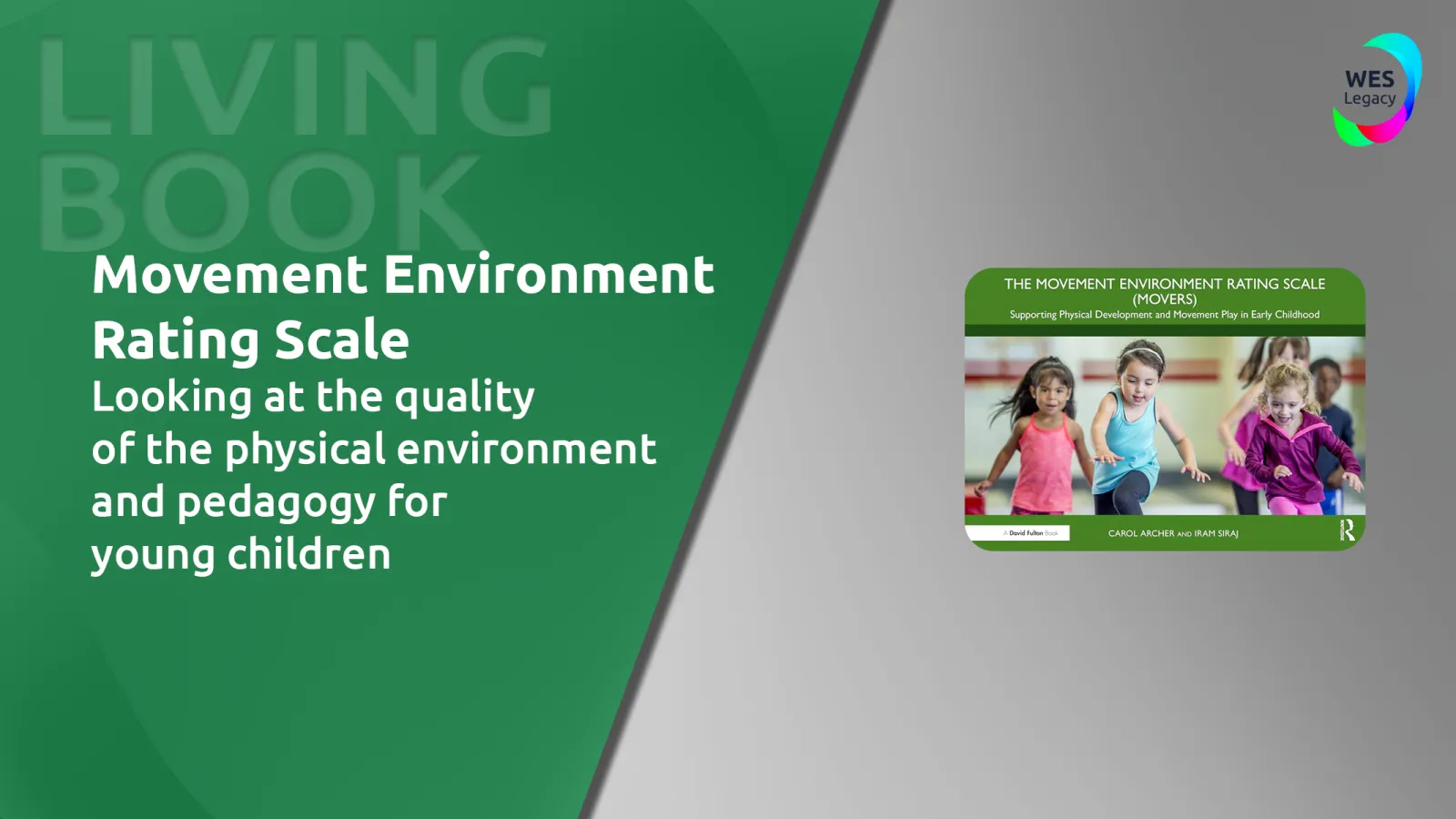
The Movement Environment Rating Scale, or Movers, is designed for educators and researchers to evaluate physical development in children aged two to six. It highlights the importance of physical, cognitive, and emotional growth, emphasizing movement's role in enhancing brain function and motor skills. The scale includes four subscales for assessing curriculum and educator engagement, and it incorporates updated research on nutrition, aiming to improve early childhood environments for better physical activity opportunities.To introduce the MOVERS and its overall content. Introducing one or two Items for assessing quality. Improving practice using the MOVERS.

No Resources found for this Session
Carol Archer

Carol Archer

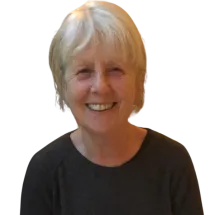
Carol is an independent Consultant in Movement-play & Physical Development and Trainer in the UK and overseas. She has supported staff in Early Years Education and Early Primary Education working with children from birth to 6 years of age. Carol is the author of the Movement Environment Rating Scale (MOVERS) and has administered the early and current version of the MOVERS scale in many early education settings in order to assess quality.

Schools as Enabling Spaces to Improve Learning and Health Outcomes in Rural South Africa

Schools as Enabling Spaces to Improve Learning and Health Outcomes in Rural South Africa

Liesel Ebersöhn and Qing Gu

Schools as Enabling Spaces to Improve Learning and Health Outcomes in Rural South Africa
The Impact of Food on Learning

The Impact of Food on Learning

James Toop

The Impact of Food on Learning
Innovative Secondary Science Learning Spaces

Innovative Secondary Science Learning Spaces

Ian Simpson
Innovative Secondary Science Learning Spaces
Luminary Leadership

Luminary Leadership

Angie Browne

Luminary Leadership
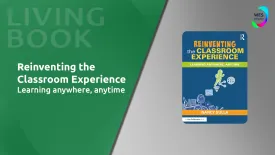
Reinventing the Classroom Experience

Reinventing the Classroom Experience

Nancy Sulla

Reinventing the Classroom Experience
The Disrupted Classroom

The Disrupted Classroom

Monica Cardozo

The Disrupted Classroom
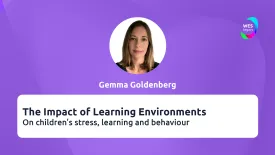
The Impact of Learning Environments

The Impact of Learning Environments

Gemma Goldenberg

The Impact of Learning Environments
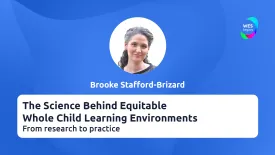
The Science Behind Equitable Whole Child Learning Environments

The Science Behind Equitable Whole Child Learning Environments

Brooke Stafford-Brizard
The Science Behind Equitable Whole Child Learning Environments
Athletes, Learn How to Use Less Tech

Athletes, Learn How to Use Less Tech

Larissa Mills

Athletes, Learn How to Use Less Tech
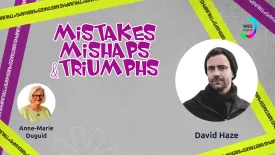
David Haze: Mistakes, Mishaps and Triumphs

David Haze: Mistakes, Mishaps and Triumphs

Anne-Marie Duguid and David Haze
David Haze: Mistakes, Mishaps and Triumphs
How to Effectively Deliver Exam-Based PE Courses

How to Effectively Deliver Exam-Based PE Courses

Kirk Bizley
How to Effectively Deliver Exam-Based PE Courses
Stacey Copeland: Mistakes, Mishaps and Triumphs

Stacey Copeland: Mistakes, Mishaps and Triumphs

Anne-Marie Duguid and Stacey Copeland

Stacey Copeland: Mistakes, Mishaps and Triumphs
Living Books

Living Books

Step inside the minds shaping education! Featuring intimate conversations with authors behind impactful reads. Explore groundbreaking ideas, inspirations, and visions driving their work — redefining the future of learning, straight from the source.

198 Sessions

Login to join the discussion

Start the discussion...